Steel, Sealed, and Season-Proof: Why Non-Organic, Fully-Insulated Steel Modular Beats Wood Modular for Real-World Housing
Steel, Sealed, and Season-Proof: Why Non-Organic, Fully-Insulated Steel Modular Beats Wood Modular for Real-World Housing
Executive summary
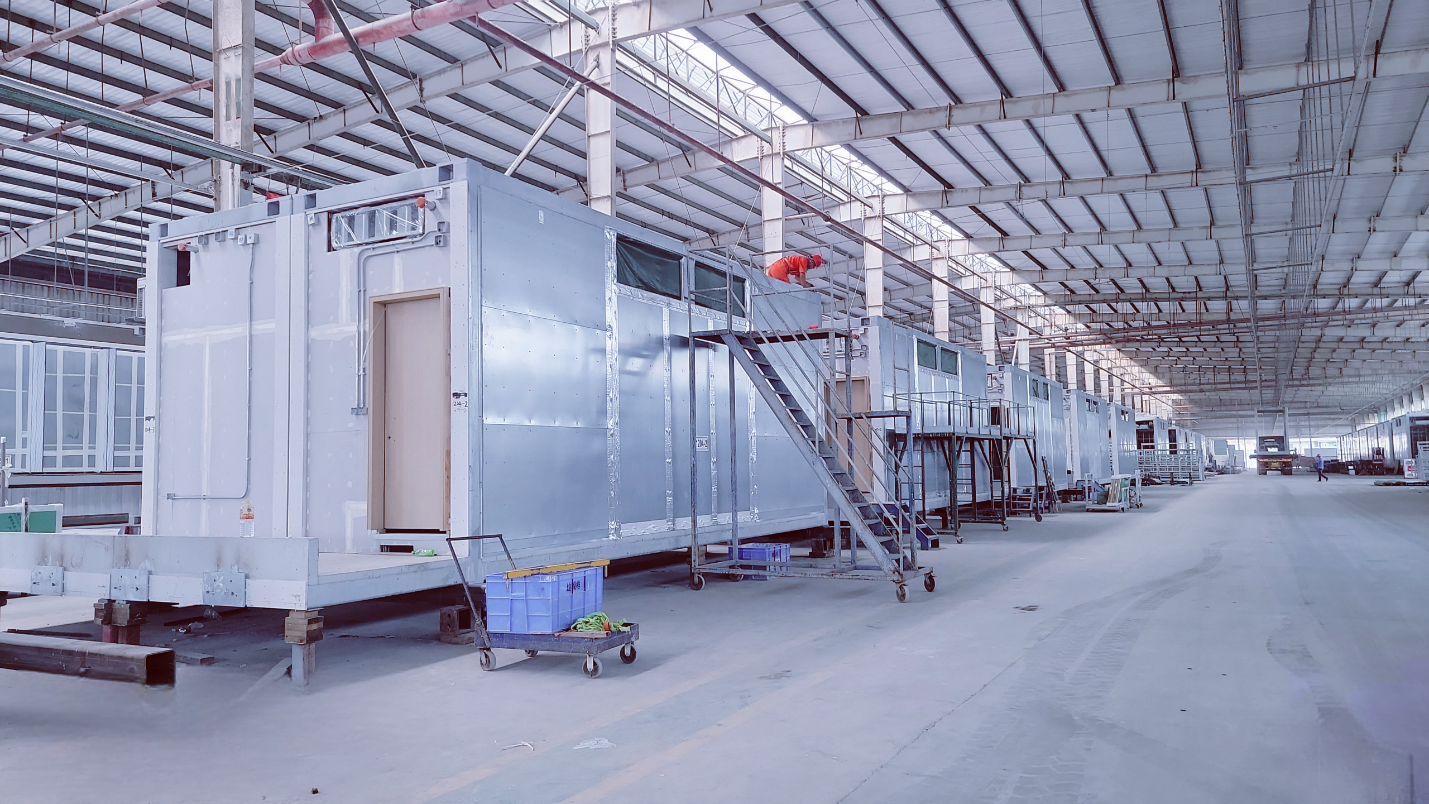
If your housing program needs to last longer, resist mould, ride out extreme weather, and arrive on site intact after long-haul transport, a non-organic, fully insulated steel volumetric modular system has decisive advantages over wood modular. Steel’s inorganic structure doesn’t feed mould, its welded primary frame acts as a single rigid chassis on the highway and the crane hook, and its durability under storm loads and heavy snow translates to lower lifecycle cost and fewer disruptions. With the right thermal detailing, a steel module can also hit aggressive energy targets—without the moisture risks common to organic assemblies.
1) The problem with organic materials in wet, cold, and real-world conditions
“Wood modular” can deliver fast, affordable units. But wood is organic—it can absorb and store moisture, and it is a food source for mould. In climates with long heating seasons, wind-driven rain, or freeze-thaw cycles, small defects add up:
- Wetting + limited drying → elevated equilibrium moisture content in framing and sheathing
- Nutrient availability → microbial growth on cellulose surfaces
- Repeated transport handling → microcracks and gaps that increase air leakage and water ingress
- Post-occupancy → high indoor humidity spikes + cold surfaces = condensation risk in wood cavities
Steel modules built with non-organic insulation (mineral wool, polyiso/PIR, closed-cell foam) and non-hygroscopic sheathing eliminate the food source and sharply cut the moisture storage that drives mould, decay, swelling, and odor.
2) Steel’s mould resistance: materials science, not marketing
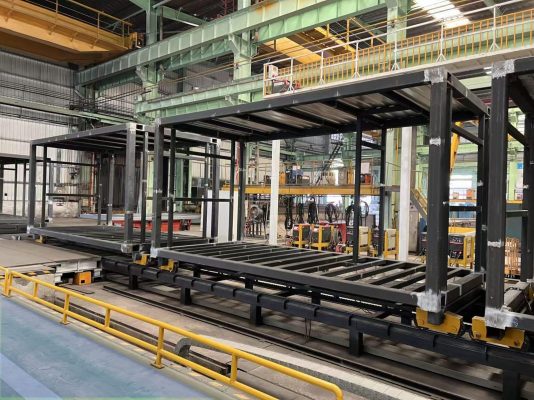
- Inorganic substrate: Structural steel and non-organic insulation offer no nutrient base for mould. Any incidental surface contamination can be cleaned without structural degradation.
- Lower moisture storage: Non-hygroscopic insulation (e.g., mineral wool, PIR) and sealed membranes keep assemblies drier under transient wetting.
- Higher drying potential: Steel studs, tracks, and open webs don’t “hold” water; with proper ventilation and vapor control, assemblies return to equilibrium quickly.
- Factory air-tightness: It’s easier to pre-tape membranes, robot-apply sealants, and pressure-test seams on a steel chassis—reducing humid indoor air exfiltration into cold layers (a primary mould driver).
Bottom line: Remove the food source and the sponge, and mould risk plummets.
3) Robust structure under storms, snow, and seismic
3.1 Primary frame behavior
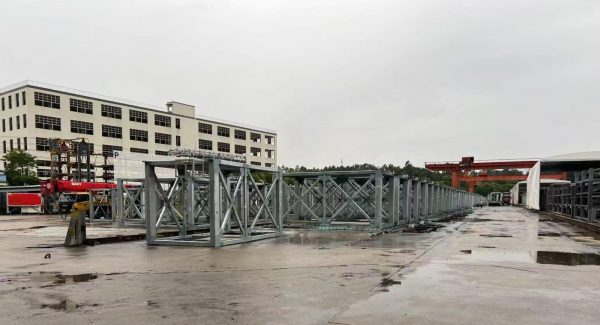
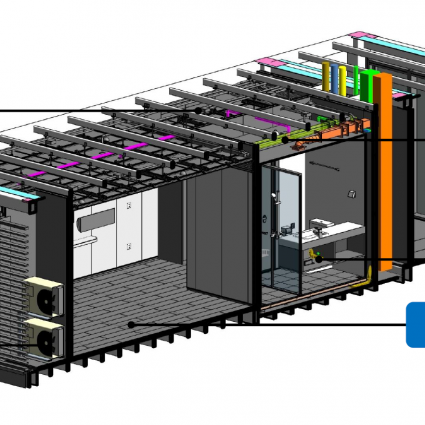
A steel volumetric module uses a welded primary chassis (corner posts, perimeter beams, diaphragms) designed to act as one piece. Benefits:
- Load paths are direct and redundant: Lateral forces (wind, seismic) flow through steel diaphragms and moment connections into the chassis and down to foundations.
- Deflection control: Steel sections achieve lower deflection under the same load, protecting finishes, windows, and façade interfaces.
- Impact and debris: Under stormborne debris, steel frames are far less likely to suffer hidden crushing or fiber ruptures than wood frames.
3.2 Heavy snow load performance
- Steel frames accept high concentrated loads at columns and bearing lines without creep or crushing.
- Reduced long-term deflection means fewer ponding risks at roof modules and better cladding performance at stacked joints.
3.3 Connection integrity
- Welded nodes and bolted stack connectors in steel systems deliver repeatable, measurable capacity. Wood stack points rely on bearing and fastener withdrawal that degrades when wet or under sustained load.
4) Transportation & craning: staying straight and square
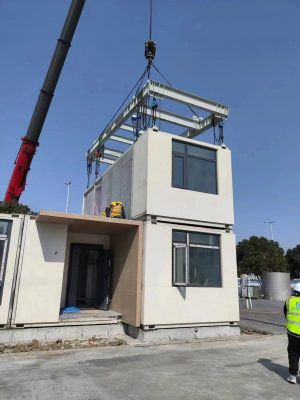
Volumetric modules endure three structural lives before you hand over keys: transport, craning, and in-service. Steel wins all three.
- One-piece welded chassis = torsional stiffness. Long-haul trucking (bridge bumps, twisting camber, sudden braking) won’t rack the box.
- Predictable pick points: A steel module can be designed for 4-point, 6-point, or spreader-bar lifts with known stress paths and low camber—minimizing drywall cracking, tile shear, and door misalignment.
- Tighter tolerances: Steel fabrication tolerances are inherently tighter; modules arrive square, making stitching on site faster and cleaner.
5) Fire, acoustics, and safety: repeatable performance
- Fire resistance: Non-combustible steel framing and mineral wool/gypsum assemblies make it straightforward to achieve required FRRs (e.g., 1–2 hours) with listed, repeatable constructions.
- Acoustics: Steel + mineral wool assemblies with double layers of gypsum and resilient channels can reliably hit STC 55+ between suites.
- Egress & deformation: Under fire or impact, steel maintains predictable deformation patterns; char and hidden smolder risks in wood are absent.
6) Thermal performance without the condensation traps
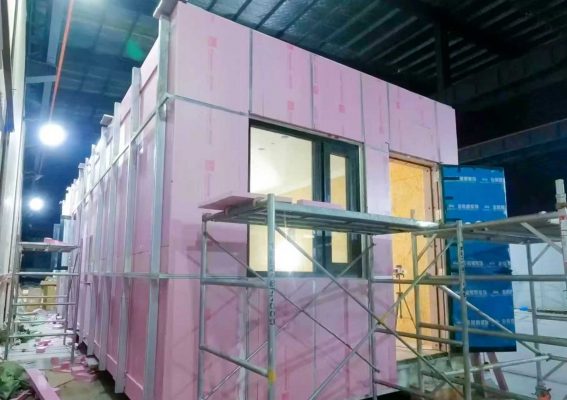
Yes, steel is thermally conductive. That’s why detailing matters. Modern steel modular envelopes use:
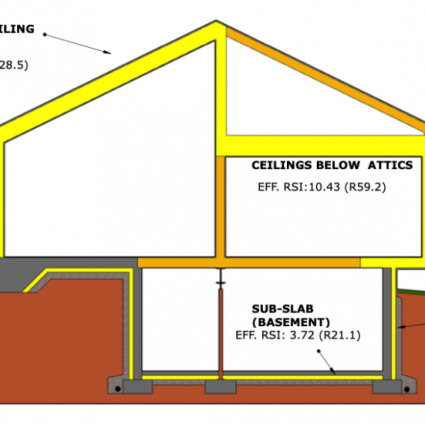
- Continuous exterior insulation (ci) to bypass thermal bridges at studs and chassis flanges
- Thermal break clips for cladding rails and balcony interfaces
- Warm-edge glazing and triple pane (where climate requires)
- Balanced ERV/HRV to keep interior humidity at safe levels while recovering heat
Result: You get high R-values in service, warm interior surfaces, and low condensation risk—with no organic cavities quietly taking on moisture.
7) Corrosion? Manage it, measure it, mitigate it
Steel lasts decades when you respect its chemistry.
- Protection systems: Hot-dip galvanizing (zinc), epoxy/polyurethane coatings, or duplex systems on frames exposed to road salt, coastal air, or splash zones.
- Drain/vent detailing: Ensure water can’t trap at interfaces (e.g., corner posts, sill channels).
- QA & inspection: Coating thickness checks, holiday testing, and traceable maintenance plans.
A designed, inspected corrosion system is more predictable than hoping wood never gets wet.
8) Whole-building lifespan: structure, enclosure, and keep-it-tight factors
A building’s life is determined by the first assembly to fail repeatedly. Steel modular pushes those failure points far out:
- Structure: Welded steel frames resist fatigue, creep, fungi, and insects; they’re repairable and upgradable (add bracing, plates, new connectors).
- Envelope: Non-organic insulated panels, rainscreen claddings, and taped membranes are replaceable without touching the structural frame.
- Services: Modular MEP chases are accessible; steel frames tolerate equipment swaps without compromising integrity.
Lifecycle reality: You’ll re-clad, re-roof, re-fit long before the steel frame retires.
9) Cost reality: capex vs. opex vs. risk
- Upfront: Steel modules can cost 5–15% more ex-factory than wood for the same plan—driven by chassis weight, coatings, and mineral wool/triple glazing.
- Operating: Lower repair rates (no rot/mould remediation), better airtightness (lower heating/cooling energy), and fewer call-backs reduce OPEX and warranty costs.
- Risk: Fewer weather-related schedule slips, less transport damage, and stronger storm performance translate to lower contingency draw and, in many programs, better insurance terms.
Payback mechanism: Not just energy—avoided failure events (mould, water damage, re-leveling, rework) are where steel modular earns back the delta.
10) Sustainability & circularity: steel’s underrated edge
- Recyclability: Structural steel is the most recycled building material; off-cuts in the factory loop back to mills.
- Design for disassembly: Bolted module-to-module connectors facilitate future de-stacking and reuse.
- Operational carbon: Air-tight, fully insulated steel modules with heat recovery reduce operational emissions year after year—where most of a building’s carbon lives in cold climates.
Timber has lower initial embodied carbon, but moisture events and early replacement can erase that advantage in real projects. Steel’s longer service life and reusability changes the lifecycle math.
11) Field lessons learned (from teams that set and stack steel boxes)
- Engineer for transport first, then for service. The worst load is often on the highway or at the hook.
- Prototype one module. Pull full-scale deflection readings during test lifts; tune stiffeners before mass production.
- Own the envelope continuity. Pre-install membranes and gaskets at module edges; design pressure-equalized joints.
- Standardize pick hardware. Common lifting lugs and spreader bars accelerate erection and reduce mistakes.
- Ventilate right. Balanced ERV/HRV with measured commissioning protects finishes and keeps assemblies dry.
- Control condensation at steel. Thermal breaks at balcony stubs and façade rails; watch for cold corners at posts.
- Document coatings. Photograph every welded touch-up and measure DFT (dry film thickness); salt is unforgiving.
12) Head-to-head comparison (cheat sheet)
| Attribute | Steel, Non-Organic, Fully Insulated Modular | Wood Modular |
| Mould/rot resistance | Inorganic; no food for mould; drier assemblies | Organic; sustains mould/rot if wetted |
| Transport robustness | Welded one-piece chassis; low racking; protected finishes | More racking; fastener withdrawal risk; finish cracking |
| Extreme weather | Strong lateral/diaphragm action; reliable connectors | Susceptible to creep, crush, and fastener slip when wet |
| Snow load & long-term deflection | Low deflection; minimal creep; better roof performance | Higher creep; risk of sag/ponding over time |
| Fire performance | Non-combustible framing; listed mineral wool assemblies | Combustible framing; requires added layers/protections |
| Acoustics | STC 55+ readily achievable with mass + isolation | Achievable but more sensitive to workmanship |
| Air/water control | Factory-sealed joints; robust membranes; easy pressure testing | Greater variability; moisture storage in cavities |
| Thermal bridging | Needs ci + thermal breaks (design detail) | Lower bridging through studs; but moisture risks higher |
| Maintenance & lifespan | Long structural life; replace claddings/services as cycles | More frequent repairs at wet points; earlier structural concerns |
| End-of-life | High recycling/resale potential; disassembly feasible | Reuse limited by degradation; mixed waste streams |
13) When steel modular is a slam-dunk
- Harsh climates: coastal storms, heavy snow, freeze-thaw, or permafrost regions
- Remote logistics: long highway/ice road hauls, barges, or multiple craning events
- Critical services: healthcare, Indigenous community housing, worker camps, schools—where downtime hurts people and budgets
- Tight schedules: where first-time-right installation matters more than shaving a few dollars on the box
14) Design playbook for best-in-class steel modules
- Primary frame: Moment-connected, welded chassis with engineered pick points and tie-down lugs
- Envelope: Non-organic continuous insulation (mineral wool/PIR), pressure-equalized rainscreen, taped air/vapor membranes
- Thermal breaks: Clip systems and isolation pads at façade rails, balcony stubs, and parapets
- Glazing: Triple pane (cold climates), warm-edge spacers, tuned SHGC by orientation
- MEP: Centralized chase walls, plug-and-play connectors, factory pressure/electrical tests
- Ventilation: Balanced ERV/HRV with measured flow setpoints and filter access from living space
- Coatings: Galvanize or coat exposed steel; document DFT and repair procedures
- QA/Commissioning: In-station checks, leak tests, blower door on sample modules, lift-test deflection logs
15) The business case—told in failures you won’t have
A decade from now, your steel modular buildings are still square and dry, doors close, roofs don’t pond, and unit turns are simple. Your maintenance budget isn’t chasing rot, black staining, swollen floors, or re-fastening loose stacks after a highway haul. Ten winters of storms and snow later, you’ll be grateful you chose the inorganic, welded box.
Choose steel, design out moisture, and keep control layers continuous. You’ll get a healthier building now—and a far better one 30 years from now.